How Professional Special FX Shape the Emotional Arc of a Live Concert

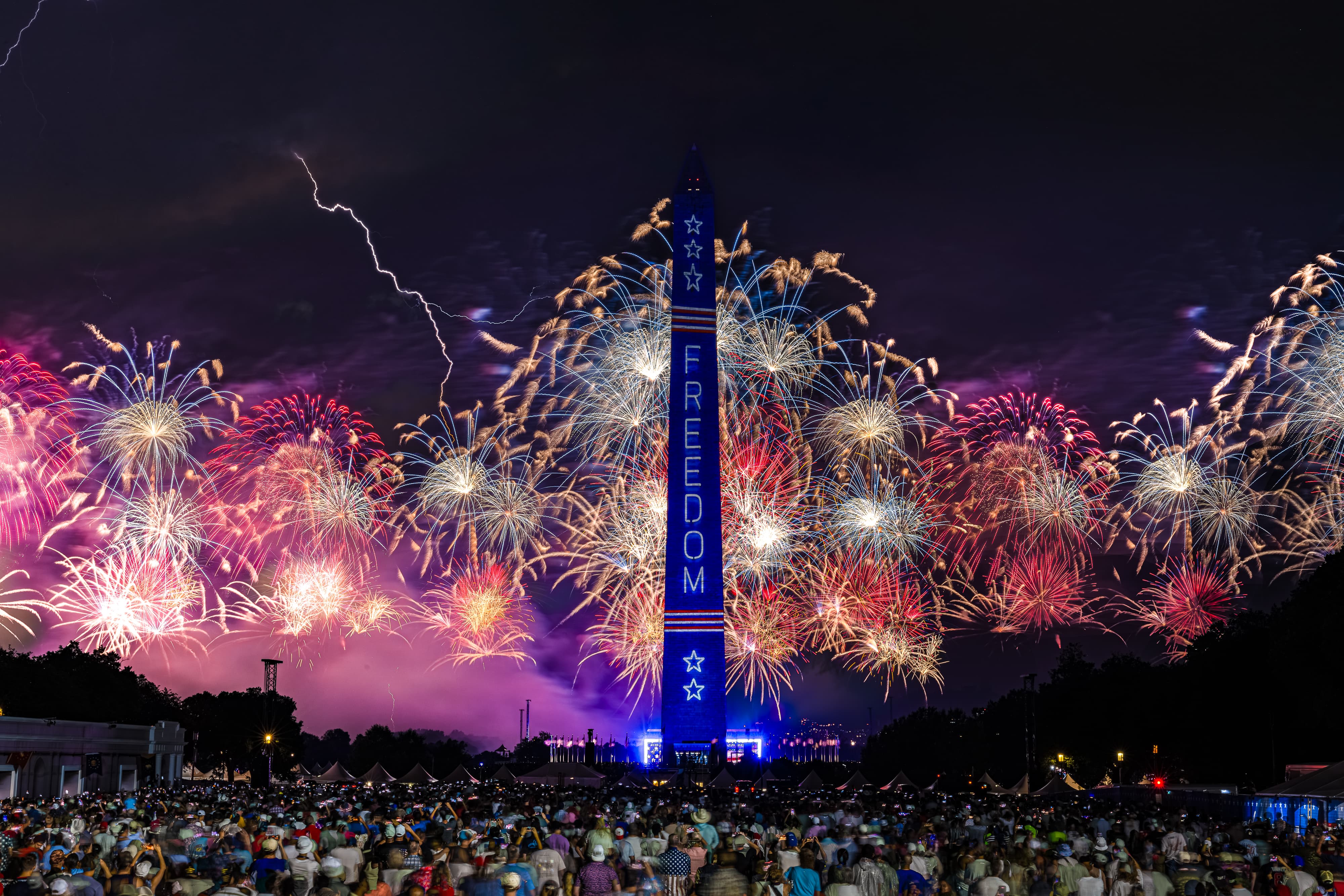
The bass drops, and a wall of flame rises across the front of the stage at that exact half-second. The whole venue goes wild. Almost nobody in the crowd is thinking about how this moment was mapped out weeks earlier on a spreadsheet. That’s the job of special FX at a concert or show. They mark the emotional beats a song has been climbing toward, so a crowd doesn’t only hear the peak; they’re dropped into an entirely immersive experience.
Effects work like punctuation for music. When the effects track the emotion of a song, the two feed each other and the whole production is lifted to a higher level. However, pile on too many effects, and the impact feels flat. A special FX crew that embodies the story a setlist is telling can take a good show and turn it into one people still talk about for years to come.
How Special FX Designers Plan a Concert
Every special FX concert design starts with the music. Special FX designers get the setlist and study it the way a director studies a script. Where does the energy climb? Which song is the emotional gut-punch at the three-quarter mark? A set has a shape to it, rises and falls and breathes in between, and the effects have to respect that shape, or they fight the music instead of serving it.
The soft verses are met with restraint. A designer maps the effects toward the moments that want to explode, like the final chorus, the last note of the encore, or the signature drop everyone in the room has been waiting for.
Pacing poses a key difficulty that requires experience to navigate. Fire off cryo on every chorus, and by song four the crowd stops reacting, because they’ve come to expect it. Great designers know when to hold back and pick the four or five moments that truly earn a massive effect, and each one hits like the first. Less really does do more here.
Types of Concert Special FX Explained
The Special FX arsenal is bigger than people expect, and it plays a specific role in the show’s emotional story. Cryo jets shoot columns of white fog with a loud hiss, and get the audience’s adrenaline pumping. A designer saves them for a drop or a beat change where the crowd needs a jolt. Flame brings the real (and metaphorical) heat you can register from the back of the arena. Nothing says drama and danger quite like a fireball going off behind a guitar soloist.
Confetti and streamers convey release. They rain down on a final chorus or an encore, the visual version of a crowd exhaling all at once after an hour of tension. Low-lying fog and CO2 handle atmosphere instead of impact. A blanket of haze creeping across the stage floor under a ballad alters the appearance of light and laser effects, and creates a moody ambiance.
Lasers bring energy and precision. Beams sweeping and snapping in time with the beat, pulling the whole room into the rhythm of the track.
Sparks and pyro are best suited for the emotional high points of the show: the biggest, most intense moments a song or set builds toward. Cold sparks fountaining up behind the band or a wall of comets on the last note are the peak moments, the ones a designer builds the entire set around. Used with restraint, they land every time.
How Special FX Are Synced to Music
Emotional payoff boils down to timing. A perfect effect fired a half-second late looks like a mistake; the subconscious brain anticipates the flame to match the downbeat and notices the moment it doesn’t. Get it dead-on, and the crowd never thinks about the effect at all. They only sense the rush.
Most big shows run on timecode. Every cue gets locked to a running clock, so the cryo, the confetti, and the pyro fire on the exact same frame night after night, city after city. Human reaction time can’t hit that mark consistently across a 40-song set quite as perfectly as a timecode can.
The effects have to move in lockstep with everything else on stage. When the design is right, a fireball, a light hit, and a cymbal crash happen in one single instant the audience reads as a moment. Coordination between multiple departments is what separates a professional high-effort production from an amateur one.
How Safe Are Concert Pyrotechnics?
All of this artistry happens around open flame, live pyro, and high-pressure cryo, often a few feet from performers and a packed front row. Safety is what makes the creative part possible, so it comes first every single time, with no exceptions.
Trained technicians test and operate every effect. These are the experts who know the burn radius of a flame unit and the throw distance of a cryo jet, and they build those numbers into the stage plot. Proper distances protect the performers, the stage crew, and the audience. Equipment is always tested before doors open, and it is never assumed Special FX will work properly because they worked the night before.
Coordination is a huge piece. Pyrotecnico works directly with venue management and local fire officials at each step. Every building runs its own rules and its own risks, which is why permits, sign-offs, and walk-throughs all happen in the lead-up to a production. Discipline is the reason a pyro moment is a thrill instead of a worry.
Partner With Pyrotecnico for Special FX
The best gear in the world means nothing without a crew that can read a room. Flame units and cryo jets are tools that need qualified yet artistically minded people who understand where a song is headed and when a crowd is ready for the payoff.
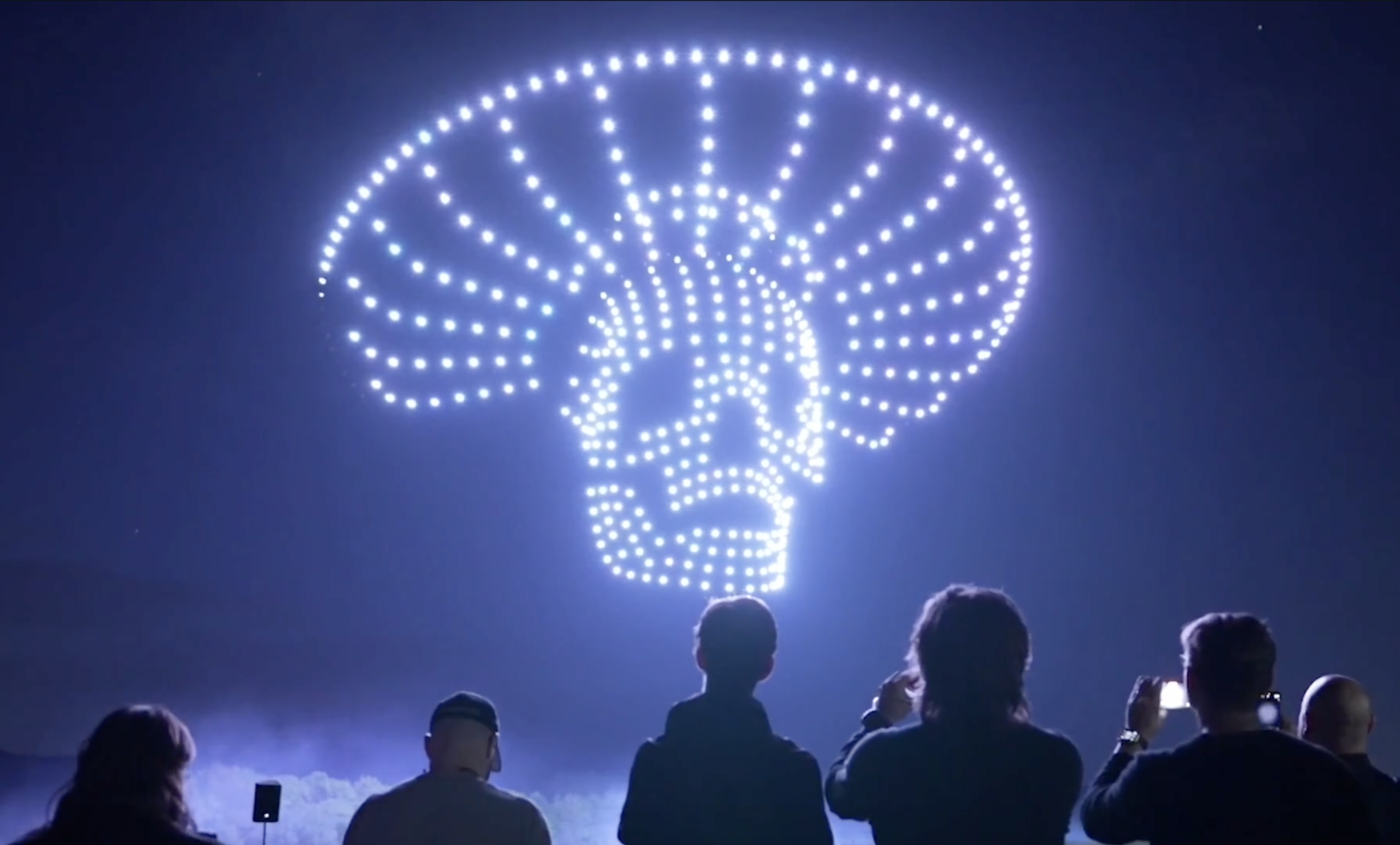
Pyrotecnico handles the whole production as a single point of contact, across fireworks, drone light shows, and special FX. Everything a special FX show requires runs through one team that manages the details so you can keep your focus on the performance.
The creative ideas are welcome here. A pyro sequence nobody thinks can clear the venue. An effect no one has tried on a stage this size. Bring it to Pyrotecnico, and let’s architect a moment your audience talks about long after the house lights come up. Get in touch with us today.
Key Takeaways
- Special FX mark the emotional beats of a concert, turning a song’s peak into something the crowd physically senses.
- Design starts with the setlist. Effects get mapped to a show’s rises and falls, not scattered at random.
- Restraint is the craft. A few well-placed effects hit harder than cryo on every chorus.
- Each effect serves an emotion: cryo for adrenaline, flame for drama, confetti for release, fog and CO2 for atmosphere, sparks and pyro for the peak.
- Timing is the difference between a thrill and a mistake. Most big shows run on timecode so cues hit the same frame every night.
- Effects move in lockstep with lighting, video, & the band to create a single moment the audience reads as one.
- Safety comes first: trained technicians, proper distances, tested gear, and coordination with venue and fire officials.
- Pyrotecnico runs the whole production as a single point of contact across fireworks, drone light shows, and special FX.