The History of Fireworks and the Chemistry and Craft That Have Drawn Crowds for Centuries
The History of Fireworks and the Chemistry and Craft That Have Drawn Crowds for Centuries
The crowd always changes a little in that last second before the show starts. Conversations taper off. Heads tilt up. Then the first shell climbs, breaks, and the whole sky opens in color, sound, smoke, and perfect timing. Fireworks pull people in because they hit many senses at once, and they do it with precision. We see the flash first. We hear the roar a beat later. We wait for the next one, almost without thinking about it.
That pull has deep roots. The history of fireworks runs through chemistry, craft, tradition, and a crowd’s shared anticipation. Every burst carries more planning than most people ever realize.
Where The History Of Fireworks Begins
The history of fireworks starts in ancient China, and the first version was pretty simple. People threw hollow bamboo stalks into a fire and waited for the heat to build until the air inside forced them to burst with a sharp crack. It was loud, surprising, and probably a little unsettling the first few times. Later, Chinese inventors developed gunpowder, which changed everything. That mixture gave fireworks their lift, flash, smoke, and force.
Over time, those early reactions moved beyond curiosity. Fireworks became part of festivals, religious observances, royal events, and public celebrations. The noise could mark a holiday. The light could honor a wedding, a victory, or a major civic moment. Trade routes carried that knowledge west, and the craft spread from Asia into Europe, where makers started refining shells, colors, and timing with far more care.
By that point, fireworks had grown into two things at once: a chemical experiment with real skill behind it, & a form of public art that could stop a crowd in its tracks.
From Loud Flashes to Choreographed Spectacle
As fireworks spread through Europe, the craft grew far more precise. Early displays leaned hard on noise, flashes, and raw surprise. Over time, pyrotechnicians started shaping shows with more care. Italy became a major center for that craft, and for good reason. Families passed techniques down over generations, and makers treated shell building almost like fine workshop labor… measured, tested, adjusted by hand.
That changed the whole experience. Shell construction grew more exact and timing became tighter. Designers paid close attention to pacing, symmetry, color balance, and the order of each effect in the sky. A fireworks display could now build energy, pause for a beat, then hit the crowd with an amazing finale.
That part of fireworks history connects old-world technique to modern show design. Today’s displays still rely on that same mix of control, artistry, and technical judgment.
The Chemistry Behind Fireworks Colors, Sounds, and Effects
A fireworks shell looks simple from the ground. Inside, it’s a compact little system with a lot going on. Each shell uses fuel to burn, an oxidizer to feed that burn, binders to hold the mixture together, metal compounds for color, timing elements to control the sequence, and a shell structure that keeps every part in the right place until launch. Carefully and skillfully designed with intent. Nothing in there sits by accident.
The colors come from specific chemicals. Strontium creates red. Copper compounds produce blue. Sodium gives off yellow. Barium creates green. Blue has a tricky reputation in fireworks circles because it takes careful heat control to come out clean. Too hot, and the color can wash out. That one keeps chemists humble.
Sound works the same way. The boom, crackle, whistle, or sharp report comes from shell design and chemical composition. A loud break needs pressure and structure built for that effect. A softer effect calls for a different recipe. The audience hears a reaction that the crews planned long before show night.
Size changes impact too. Placement affects how a burst fills the sky. Timing controls rhythm. Lift charges send the shell up to the right height before the break happens. Put all of that together and fireworks become equal parts chemistry, planning, instinct, and a little nerve.
Craft Matters: Why Great Fireworks Need More Than Chemistry
Chemistry gives fireworks their raw material. Craft turns that material into a show people remember on the ride home. A formula can produce color, sound, and lift, but it takes human judgment to shape those pieces into something that lands with a crowd.
That part happens through choreography, firing sequences, shell spacing, site conditions, safety distances, music timing, and audience sightlines. Every choice affects the experience. A shell that looks huge in an open field can read very differently near a stadium or waterfront. Music changes pacing. Wind changes spacing. Crowd position changes everything a viewer takes in.
We think about the full audience experience, not only the shell in the sky. A strong show has rhythm. Some moments hit hard. Some breathe for a second. That pause matters, even if the crowd never says it out loud. Good design needs discipline, field experience, and a steady hand. The chemistry starts the story. Craft gives it shape.
Why Fireworks Still Matter After All These Centuries
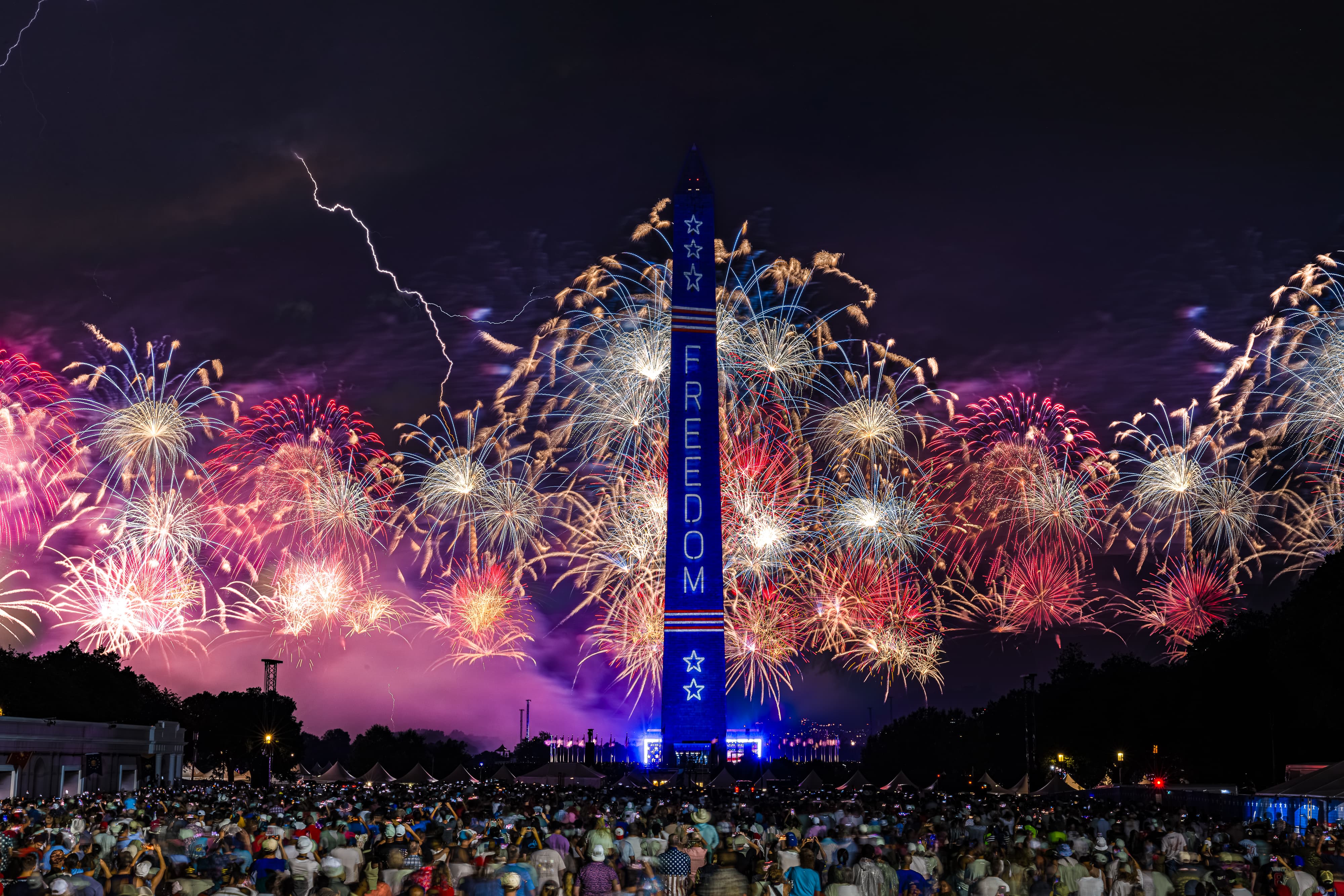
Fireworks still pull crowds for a simple reason: they create a shared moment that happens live, overhead, and all at once. A whole group of people looks up together, waits together, then reacts together. You see it at community celebrations, sports events, concerts, and milestone nights creating oohs and aahs that people talk about for years after.
Part of that reaction comes from history. Part comes from craft. People may not think about shell construction, pacing, or chemical balance while they watch, though they respond to all of it in real time. Every modern fireworks display carries pieces of chemistry, history, tradition, and human planning in the same burst across the sky.
Bring That Pyrotecnico Touch to Your Event
Pyrotecnico brings together the long history of fireworks with the precision, safety, and crowd awareness that great shows demand. We design displays for events of every size with careful planning behind every cue, shell, and sequence.
Key Takeaways
- The history of fireworks begins in ancient China, where explosive bamboo and later gunpowder laid the groundwork for modern displays.
- Fireworks spread from Asia into Europe through trade and cultural exchange, where skilled makers refined timing, shell construction, and visual design.
- Modern fireworks rely on chemistry inside each shell, including fuel, oxidizers, binders, timing elements, and metal compounds that create color.
- Specific chemicals produce specific colors, with strontium for red, copper compounds for blue, sodium for yellow, and barium for green.
- A memorable fireworks display depends on more than chemistry. Choreography, spacing, pacing, safety planning, site conditions, and audience sightlines all shape the final experience.
- Fireworks still draw crowds because they create a live shared moment built from history, science, tradition, and careful human planning.